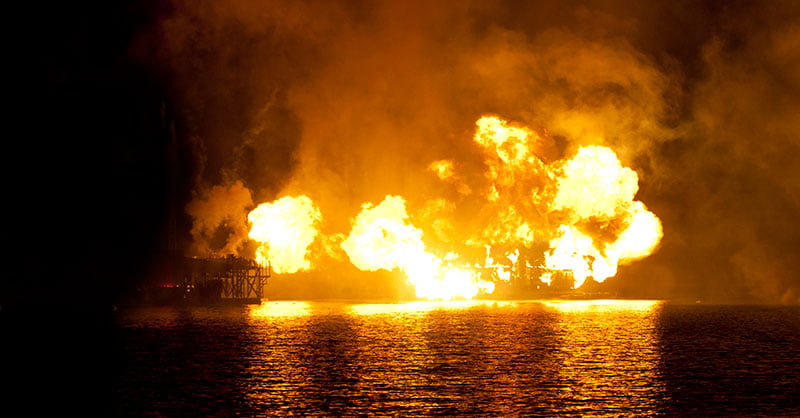
The Iran War and the gulf energy crisis are an (un)friendly reminder that diversification still matters.
Early returns on the U.S. and Israel-led war with Iran in the Middle East offer an important reminder that diversification for institutional investors can be helpful to combat unexpected inflation.
While still early in the conflict, the short-term disruption to energy markets threatens to drag for an extended period. This risk to markets is significant – as “the IEA warned on [Thursday March 12th 2026] that the current oil supply disruption is the largest in the history of the oil market, underscoring days of wild price moves. The war has hit 7.5% of global output and an even bigger swath of exports.”1 Indeed, the impact regionally and by commodity has been particularly acute, with outsized economic implications for Europe and Asia (where there is significant leverage to Middle Eastern liquefied natural gas (“LNG”)) and specialty products like aviation fuel.
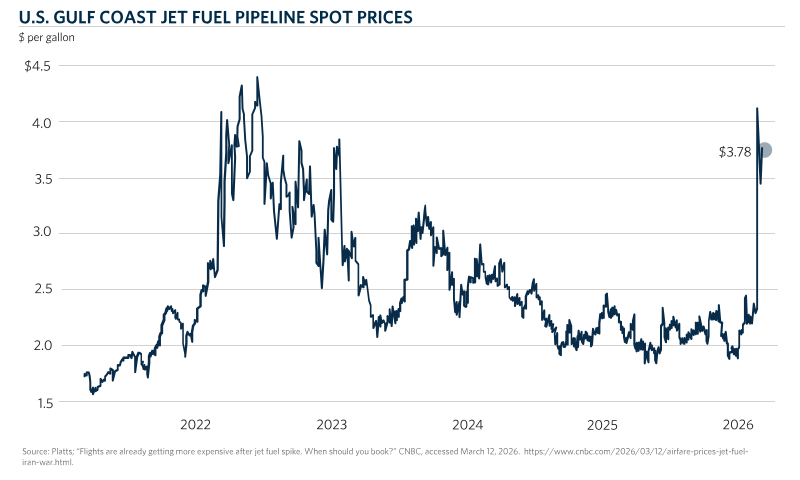
The pain from rising LNG prices is felt most acutely in Europe and Asia. “…European gas prices reached as high as €69.50 per megawatt hour, more than double their [level] before the Iran conflict began…[Japan Korea Marker (“JKM”)] gas prices also more than doubled since the start of the war to $24.80 per 1 million British thermal units by Monday [March 9th, 2026], equivalent to €73.10/MWh.”2 Jet fuel prices, as seen below, have spiked to levels last seen at the onset of the Russian invasion of Ukraine.
Second order impacts on critical inputs to the global economy like fertilizer may also experience some amount of sustained inflation, with urea (the most nitrogen-dense solid fertilizer available) prices rising by ~30% in the last month3. The throughline on all of this is the potential for meaningful disruption in institutional investor portfolios from unanticipated inflation.
Twenty years ago, some of this impact might have been muted by the combination of exposure to the traditional energy economy through public indices like the S&P 500 and allocations to natural supply shock hedges like private natural resources. With energy’s share of the S&P 500 having declined from 16% in 20084 to just 3.5%5 of the index today, this public exposure in institutional portfolios is less material – and consequently may be less helpful as an indirect hedge.
Private markets allocations to traditional natural resources have also fallen significantly, with many institutional investors de-emphasizing this exposure. These declines can be observed below as absolute fundraising levels have fallen sharply since the 2010s.
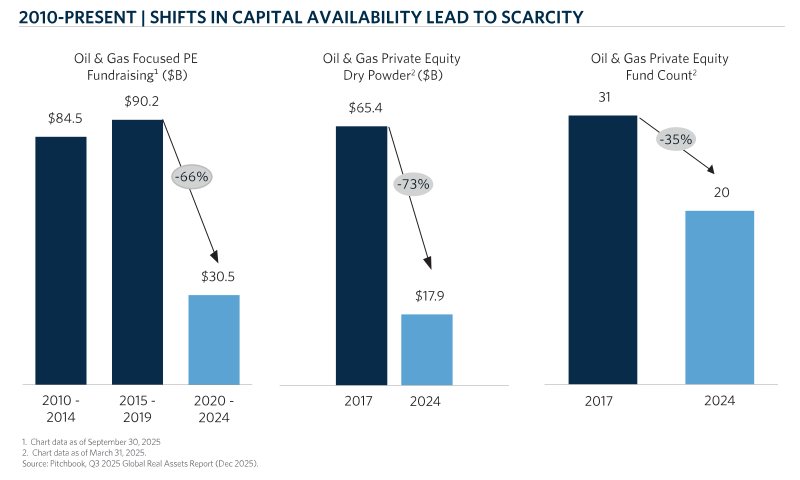
What drove this decline in capital formation was sectoral underperformance in the mid-2010s, itself a result of lax capital discipline and a flood of capital into private markets. The sustained boom in energy private capital markets for capital formation, seen in 2010-2014 and persisting in 2015-2019 fueled this marked decline – seen in segments below.
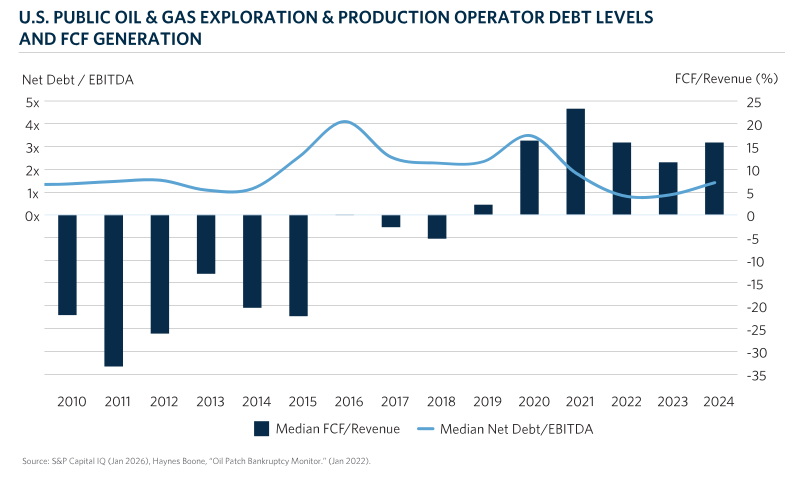
Along the way, there was a structural reset in the underlying energy market. As North American shale matured technologically, the crash of the financial markets drove a reckoning for businesses in the space that forced capital discipline – resulting in businesses with generally stronger balance sheets and cash flow profiles as the industry shifted from exploration to production. The result, seen below, is a transition from cash burning (2010-2015) and then oft over-levered businesses (2015-2019) to those producing significant cashflow with lower implied leverage levels (2020-present).
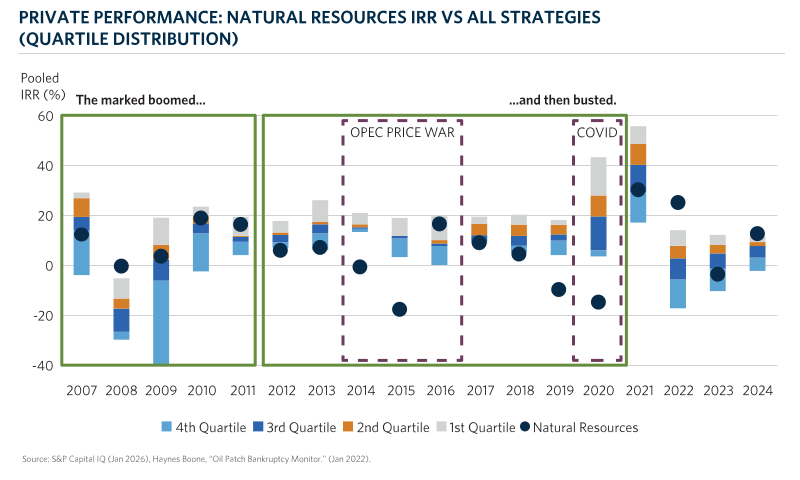
Geopolitical events contributed all along the way. The OPEC+ price war in the mid-2010s, trade conflicts between the United States and its various trade partners and the COVID pandemic all played a part in shaping the market. Market forces did too – persistent inflation and rising interest rates – which froze many institutional investors holdings in traditional venture capital and private equity. These private portfolios saw outperformance – and cash distributions – from their private natural resources holdings.
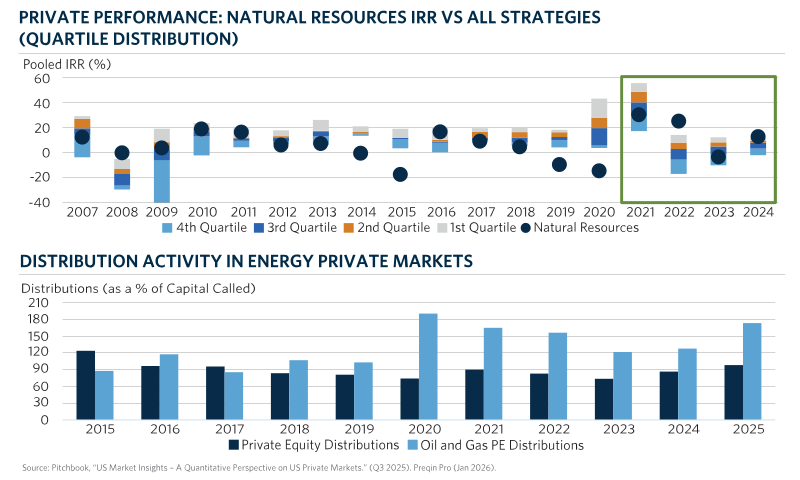
Which brings us back to the current crisis and how it is colliding with the perspective of some institutional investors. Over the course of the last decade, given all that has transpired as outlined above, some institutional investor approaches to diversification and allocation evolved. Today, the NACUBO-Commonfund Study of Endowments data shows that while a significant portion of endowments, considered sophisticated institutional investors, have an allocation to private natural resources, those levels have declined to ~40%. Some investors adopted the perspective that construction of private portfolios need only concern itself with absolute return potential – and not the sources of that return. In the first half of the last decade, that thesis has been tested and found wanting with natural resources returns outpacing other segments of private markets in the early 2020s (see chart above) as inflationary pressure and higher interest rates returned for the first time since the 2000s.
The last two decades demonstrate that returns in private markets move in cycles that are challenging to predict for even the most sophisticated investors. The Iran War and resultant energy market upheaval is a further reminder that diversification matters, and prudent investors may look to consider exposure to a broad array of private strategies, including natural resources, in constructing their private portfolios. To eschew doing so may introduce risks that are hard to predict – and harder still to manage.

1. “Iran War Causes Biggest-Ever Oil Market Disruption, IEA Says.” Bloomberg, accessed March 12, 2026. https://www.bloomberg.com/news/articles/2026-03-12/iran-war-is-causing-biggest-ever-oil-market-disruption-iea-says.
2. “Europe and Asia battle for LNG as Iran war chokes supply.” Financial Times, accessed March 12, 2026. https://www.ft.com/content/4bb22e06-0e5c-4d36-8449-b986e4357862.
3. “The global price tag of war in the Middle East.” World Economic Forum, accessed March 12, 2026. https://www.weforum.org/stories/2026/03/the-global-price-tag-of-war-in-the-middle-east/.
4. “US Energy Investing – the good, the bad and the ever-changing.” S&P Global, December 10, 2024.
5. “Fact Sheet, S&P 500.” S&P Dow Jones / S&P Global, February 27, 2026.